
Last Updated: November 2, 2026
Quick Summary
Choose a chiropractor for sports recovery by verifying three baseline credentials: a Doctor of Chiropractic degree from an accredited school, an active state license, and sports-specific training or certification beyond the base degree. Check the license through your state’s chiropractic board and ask about the sports credential’s issuer and hours.
- Check a provider’s license status through your state chiropractic board’s online lookup before booking.
- Ask what the sports training involved, how long it was, and who issued the credential.
- A provider who promises a fixed number of visits before examining you is selling a package, not a plan.
- A real recovery plan has three parts: assessment, treatment, and reassessment.
- Walk away if a provider guarantees a cure, skips a real assessment, or discourages you from seeing other doctors.
Table of Contents
- What a Sports Chiropractor Does and Why Credentials Matter
- Questions to Ask a Chiropractor Before You Book
- How to Read Reviews, Referrals, and Real Patient Outcomes
- What a Sports Injury Recovery Plan Should Include
- Chiropractor vs. Physical Therapy for Sports Injuries
- Red Flags, Safety, and When to Walk Away
- Book a Sports Recovery Consultation with Kaminski Chiropractic
- Frequently Asked Questions
What a Sports Chiropractor Does and Why Credentials Matter
A sports chiropractor treats the whole musculoskeletal system, not just the spot that hurts. That matters for anyone learning how to choose a chiropractor for sports recovery: the right provider looks at how you move, not just where you ache. (Source: state’s chiropractic board)
At Kaminski Chiropractic, we use the Gonstead system, a precise, hands-on method built on detailed analysis rather than guesswork. Dr. Kaminski is also board certified in physiotherapy, has training in Functional Movement System, Selective Functional Movement Assessments, and the Titleist Performance Institute. While in school at Palmer College of Chiropractic – West, he was an active member of the Sports Council where he acquired additional hands-on training treating athletes.
Dr. Kaminski understands sports and athletes from a multifocal level. He was a three sport athlete himself in high school and played football in college. He has spent time coaching youth and high school sports. And now, as a doctor. He understands the dynamics of injury, missed time, getting back to play, but also understanding the long term effects of these injuries. This is what makes him the ally athletes need in there corner when dealing with injury.
Credentials matter when choosing a sports provider. Look for three things.
- A Doctor of Chiropractic degree from an accredited school
- An active state license to practice
- Sports-specific training or certification beyond the base degree
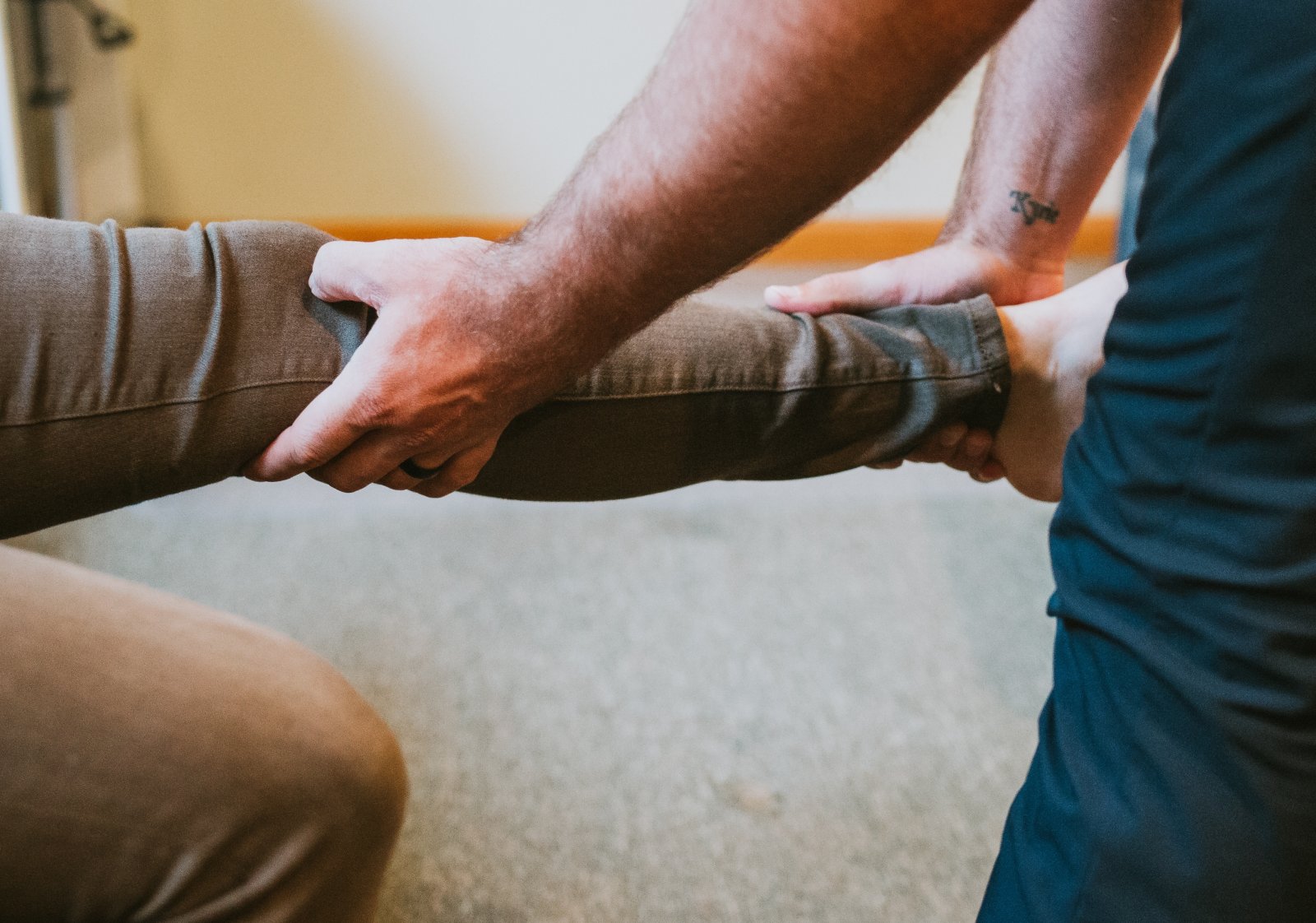
License, Degree, and Sports-Specific Certification
Every legitimate chiropractor holds a Doctor of Chiropractic degree and a current state license. You can check a license through your state’s chiropractic board before you book. Many state boards publish an online lookup where you can check a provider’s license status. Do that lookup yourself rather than relying on a badge on the clinic website.
Sports-specific certification is the extra layer. It signals training in movement assessment, return-to-sport decisions, and injury management. Ask directly what sports training the provider has. A vague answer tells you something.
Distinguish formal certification from general experience. A weekend seminar on taping is not the same as a multi-year sports fellowship or a credential earned through a recognized sports chiropractic body. Neither is automatically better, but you should know which one you are getting. Ask: “What did the training involve, how long was it, and who issued the credential?” A provider who can name the organization, the hours, and the assessment methods has real training to describe.
Scope of Practice and Referral Networks
Chiropractors are not surgeons or primary care doctors. Good ones know their limits and refer out when needed. Ask whether the provider coordinates with physical therapists, orthopedic doctors, or sports medicine physicians.
A provider should be able to tell you plainly what they are licensed to do in your state, including whether they can order imaging or perform certain procedures. If the answer is fuzzy, treat that as a signal.
A provider with a real referral network is a stronger partner for your recovery. They treat what they can and send you to the right specialist for the rest. Ask who they refer to most often and whether they will send your assessment notes to that clinician. Shared records and a warm handoff beat a business card every time.
Before you book, verify that a provider meets the three baseline credentials for sports recovery care.
|
Credential |
What to look for |
How to verify |
|---|---|---|
|
Degree |
Doctor of Chiropractic from an accredited school |
Confirm the school is accredited |
|
License |
Active state license to practice |
Check your state chiropractic board’s online lookup |
|
Sports training |
Sports-specific training or certification beyond the base degree |
Ask about the issuer, hours, and assessment methods |
Questions to Ask a Chiropractor Before You Book
The fastest way to judge a sports chiropractor is a short list of direct questions. Ask these before your first appointment, and listen for specific answers rather than vague reassurance.
- What sports training or certification do you hold?
- How do you assess an injury before treating it?
- Do you take X-rays or use other imaging?
- How many visits will this take, and how will we measure progress?
- When would you refer me to another provider?
- What does a first visit involve?
That last question matters more than people expect. Knowing the flow of a first visit helps you ask sharper questions and spot a provider who rushes. You can learn what to expect during your first visit before you book.
Watch out: a provider who promises a fixed number of visits before even examining you is selling a package, not a plan.
How to Read Reviews, Referrals, and Real Patient Outcomes
Reviews help, but read them for patterns, not stars. One glowing review means little. Ten reviews that mention the same thing, good or bad, tell you how a practice actually runs. You can also read patient testimonials from Grand Rapids to see how care at this clinic is described.
Look for reviews that describe outcomes, not just friendliness. Phrases like “I could turn my head again” or “the pain down my leg eased” point to real results.
Referrals carry more weight than reviews. A recommendation from a physical therapist, coach, or training partner you trust beats any online rating.
Ask about objective outcomes too. A good sports provider tracks your movement and function over time, not just how you feel on the day.
What a Sports Injury Recovery Plan Should Include
A real sports injury recovery plan has three parts: assessment, treatment, and reassessment. Each one matters.
Assessment comes first. A thorough evaluation covers your injury history, movement patterns, joint mobility, and muscle function. It should include a physical assessment and, when needed, imaging.
Treatment blends two types of care:
- Passive therapy like adjustments and soft tissue work to reduce pain and restore motion
- Active therapy like targeted exercises and movement drills to rebuild strength
Reassessment closes the loop. Your provider should recheck your progress on a set timeline and adjust the plan. If nothing is measured, nothing is managed.
Objective Return-to-Play Criteria
Elapsed time is the weakest way to decide you are ready to return to sport. A better plan sets measurable milestones up front and tests them at each reassessment. Common criteria include:
- Pain and symptom response: symptoms are stable or absent during and after sport-specific movement, not just at rest
- Range of motion: the injured side matches the healthy side within a defined tolerance for the joint involved
- Strength: side-to-side strength is comparable on a simple field test or handheld dynamometer, depending on the injury
- Sport-specific movement: you can perform the cutting, jumping, throwing, or sprinting pattern your sport demands without compensation
- Load tolerance: you can complete a full practice or training session and recover normally the next day
Ask your provider to write these down before care begins. A plan that names the tests and the thresholds is one you can hold accountable. A plan that says “come back in six weeks” is not.
Assessment, Treatment, and Reassessment Timelines
Timelines vary by injury, so treat any fixed schedule with suspicion. A mild strain and a chronic issue follow different paths.
What matters is that your provider sets checkpoints. Expect a reassessment after a short run of visits to confirm you are improving. If you are not, the plan should change, not repeat. A common pattern is a brief reassessment every few visits early in care, then longer intervals as you progress toward sport.
Ask what happens if you plateau. A good answer describes changing the exercise load, adding a different treatment modality, or referring you to a physical therapist or physician for a second look. A bad answer repeats the same adjustment schedule.
Chiropractor vs. Physical Therapy for Sports Injuries
Chiropractic and physical therapy overlap, but they lead with different tools. Chiropractic care focuses on joint alignment and the nervous system’s control of movement. Physical therapy leans on exercise and rehab to rebuild strength and function.
Many athletes benefit from both. A chiropractor can restore joint mobility and ease pain, while a physical therapist builds the strength to keep it that way. The best choice depends on your injury and your goals.
For a deeper look at how the two compare, read our breakdown of chiropractic versus physical therapy for back pain. It covers which approach fits which situation.
Ask any provider how they work with the other. A sports chiropractor who coordinates with your PT gives you a stronger recovery than either one alone.
Red Flags, Safety, and When to Walk Away
Most chiropractic care is low-risk when delivered by a licensed, careful provider. But some warning signs should make you pause.
Walk away if a provider:
- Guarantees a cure or a fixed number of visits
- Skips a real assessment before treating you
- Discourages you from seeing other doctors
- Pushes expensive add-ons you did not ask about
- Cannot explain what they are doing or why
Watch out: severe symptoms like loss of bladder control, major weakness, or numbness after an injury need urgent medical care, not a routine adjustment.
Safety also means honesty about limits. A trustworthy provider tells you when chiropractic care is not the right answer for your case.
Book a Sports Recovery Consultation with Kaminski Chiropractic
Choosing well comes down to credentials, a real assessment, and a plan you can measure. When those three line up, sports recovery stops being a gamble.
At Kaminski Chiropractic, Dr. Paul Kaminski brings over a decade of experience and a Gonstead-focused approach. Our five-component analysis, including full-spine X-rays and thermal scanning, is designed to identify the root cause of pain. Kaminski Chiropractic has been recognized as a Grand Rapids Magazine Top Chiropractor.
Ready to move freely again? Request an appointment with Kaminski Chiropractic to discuss your goals.
Frequently Asked Questions
What should I look for in a chiropractor for sports recovery?
Look for a Doctor of Chiropractic with an active state license, then check for sports-specific training such as a sports injury certification or clinical experience with athletes. Ask how they assess movement, whether they use X-rays or thermal scanning, and how they coordinate with physical therapists or physicians. A sports chiropractor should explain a clear sports injury recovery plan with reassessment points, not just a series of adjustments. Verify credentials through the state licensing board and ask for patient reviews or referrals from other athletes.
What is the difference between a sports chiropractor and a general chiropractor?
A general chiropractor focuses on spinal alignment and pain relief for everyday musculoskeletal complaints. A sports chiropractor adds training in movement assessment, biomechanics, rehabilitation, and return-to-sport criteria. They often work with active therapy and passive therapy together, and they coordinate with sports medicine teams. If your goal is sports recovery rather than general wellness, ask about sports-specific certification, experience treating your sport, and how they measure progress before you book.
Is chiropractic care or physical therapy better for a sports injury?
Neither is universally better; the right choice depends on your injury and goals. Chiropractic care can address joint mobility and alignment, while physical therapy emphasizes strengthening and movement retraining. Many athletes benefit from both, and a good sports chiropractor will coordinate with a physical therapist rather than compete with one. Ask during your consultation how they would structure a sports injury recovery plan and when they would refer you to another provider.
What questions should I ask a chiropractor before starting treatment?
Ask about their license and sports-specific credentials, their assessment process, typical treatment duration, and how they measure progress. Ask whether they use X-rays or thermal scanning, what active therapy or rehabilitation exercises they prescribe, and how they handle referrals to sports medicine doctors. Also ask about costs, insurance coverage, and what a realistic recovery timeline looks like for your injury. Clear answers to these questions signal a provider who plans care rather than guessing.
Your recovery should not depend on trial and error. Get started with Kaminski Chiropractic and get a precise, hands-on plan that helps you return to the sport you love.
